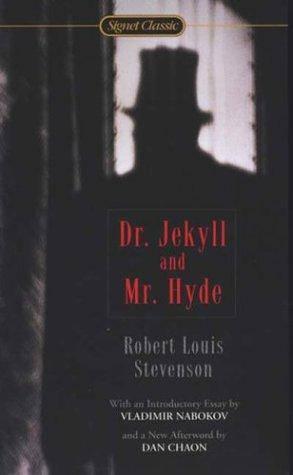
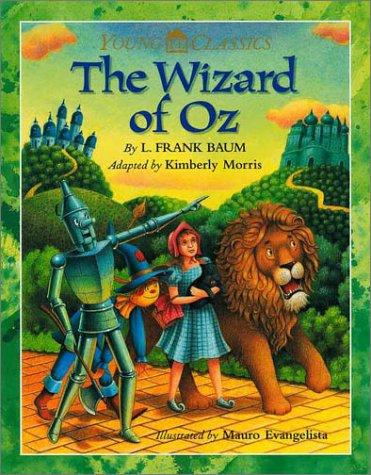
Screen rights are handled separately from publishing rights. A publisher may or may not control them, depending on what your contract says — the first thing to check is which rights you still hold.
01
An option is not a sale
An option buys a producer the exclusive right to try to make your book for a fixed period, usually twelve to eighteen months, often renewable once. Most options expire without a film being made, and the rights come back to you.
02
The purchase price is agreed up front
The option fee is small; the figure that matters is the purchase price negotiated at the same time and paid only if the production goes ahead. Agreeing it early avoids negotiating from a weak position later.
03
Grants of rights vary widely
Film, television, streaming, stage, audio, merchandising, sequel and remake rights can each be carved out or bundled. Read what is being taken, for how long, and in which territories.
04
Credit and consultation are negotiable
Author credit, a consultancy role, or the right to be shown a script are all points that can be asked for. None are automatic, and none give you creative control.
05
Adaptation changes the book
A screenwriter will cut characters, merge timelines and invent scenes. That is normal craft, not disrespect. Decide in advance how much change you can live with.
06
Get specialist advice before signing
Screen agreements are drafted by entertainment lawyers for good reason. We can explain what the clauses mean; we do not negotiate deals or introduce producers.